Trump’s Godfather tactics with TikTok hurt values Washington has long trumpeted
- The forced sale of TikTok’s American business to a US company is the latest provocative salvo from Trump’s paranoid administration
- It appears aimed at inducing a further deterioration in already-spiralling ties, but Beijing looks unlikely to rise to the bait

TOP PICKS

This Week in Asia
US pulls plug on Chinese-language news site for Australia
7 Aug 2020

This Week in Asia
‘Only one aggressor here’: Australian rivals clash on US-China fallout
5 Aug 2020

Coronavirus
Asia’s vaccine race: who is closest to success, and how will it be administered?
6 Aug 2020

This Week in Asia
Mahathir launches new party as Malaysia’s power struggle intensifies
7 Aug 2020

This Week in Asia
South Korean lawmaker’s red dress stirs debate about sexism, male-dominated politics
7 Aug 2020

This Week in Asia
National security law: for Hong Kong scholars, a fear of the unknown
8 Aug 2020

Coronavirus
Trials of Japanese drug Avigan to begin on Philippine Covid-19 patients
8 Aug 2020

This Week in Asia
Pakistan’s new Kashmir map fuels India’s fears of two-front war
7 Aug 2020

This Week in Asia
Malaysian ex-minister arrested over China-linked tunnel project
7 Aug 2020

This Week in Asia
Illegal fishing, abuses of Indonesian workers on Taiwanese ships: report
7 Aug 2020

Just like that.
Using a tactic straight out of the Godfather movies, US President
has made the Chinese social media company
an offer it can’t refuse: either sell its wildly popular
app to an American company or face an outright ban in the country.
Better still, Trump – who initially only wanted to shut down TikTok – has now suggested that the US government
for allowing the deal to go ahead. Talk about rubbing salt in the wound.
TikTok has become the latest high-profile casualty of the
’ increasing paranoia and mistrust of
, driven by short-term electoral politics and a fervent techno-nationalism whipped up by US politicians with the long-term goal of winning the tech war against China.
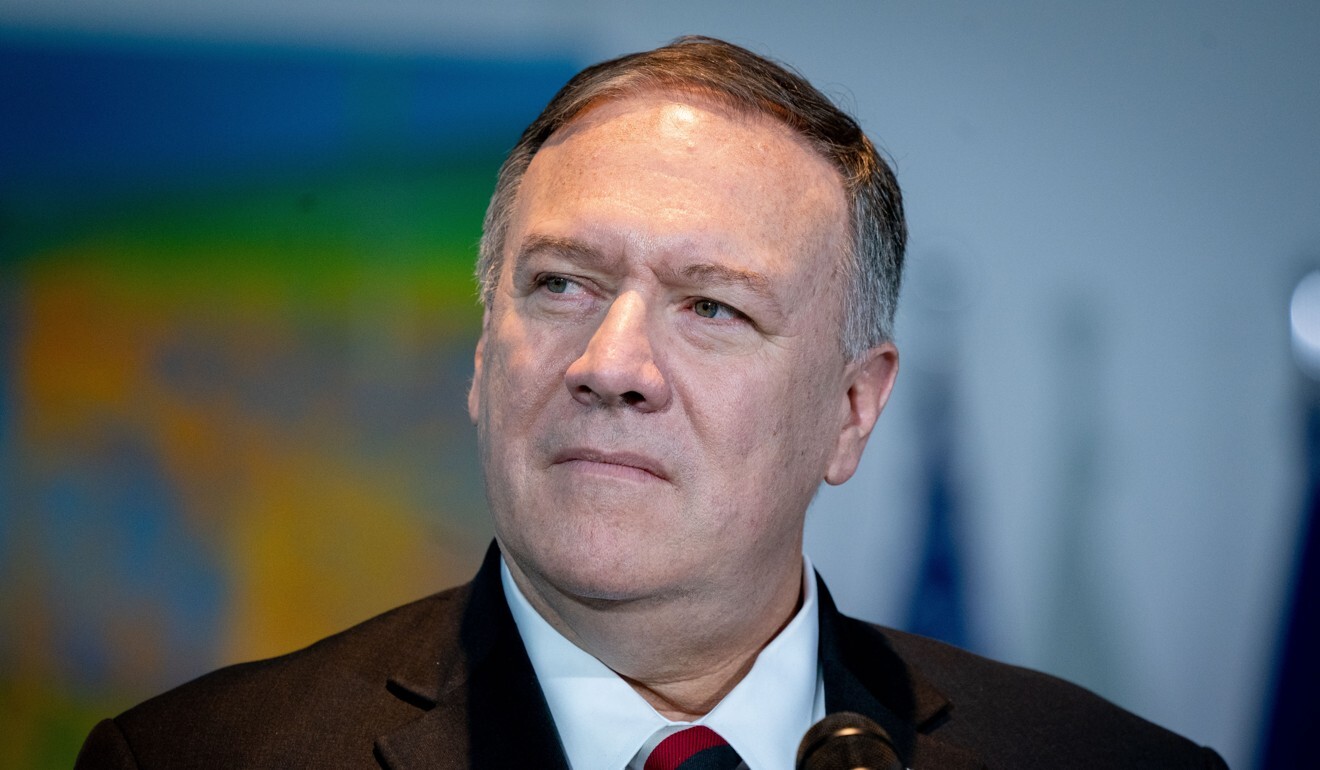
US Secretary of State Mike Pompeo has called on US app stores to remove “untrusted” Chinese apps. Photo: DPA
So what is next for TikTok? And will Beijing retaliate?
As analysts were pondering both these questions, Washington again ratcheted up tensions on Thursday by announcing a new prong in its “clean network” campaign targeting Chinese apps and tech companies.
US Secretary of State Mike Pompeo called upon US app stores –
’s and
’s in particular – to remove
, including TikTok and
’s messaging app
.
As part of the effort, the US will also limit the ability of Chinese cloud service providers to collect, store and process data in the country, and prevent
and other “untrusted” vendors from pre-installing or making available for download the most popular US apps.
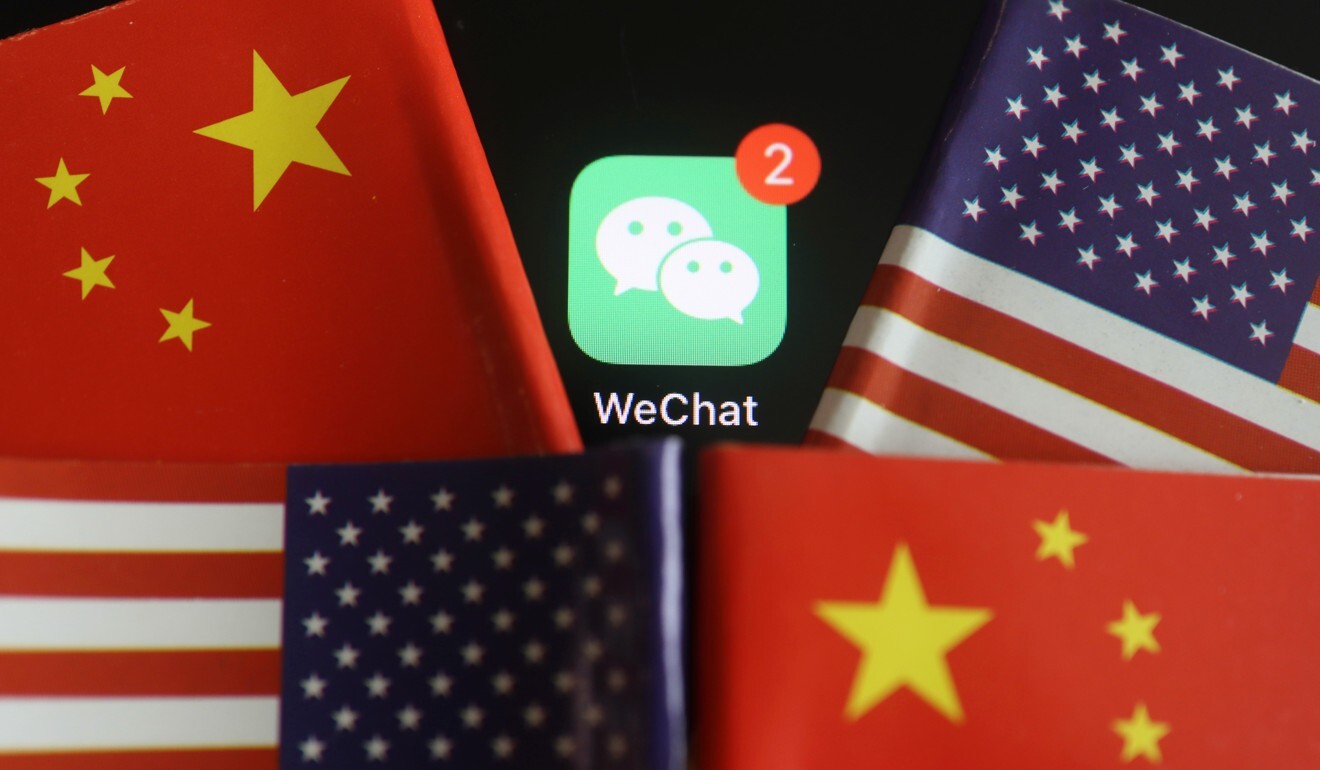
Tencent’s messaging app WeChat has also found itself in Washington’s crosshairs. Photo: Reuters
Interestingly, just hours before Pompeo announced the latest measures,
published an interview with Chinese Foreign Minister Wang Yi who said China was ready to enter into candid, effective consultation with the American side, and make a cool-headed, sensible response to Washington’s impulsiveness and anxiety.
On Tuesday, Cui Tiankai, the Chinese ambassador to the US, also struck a conciliatory tone at the virtual Aspen Security Forum by saying Beijing does not want tensions with Washington to escalate further and the world’s two largest economies should cooperate instead of confronting each other.
Thus it seems unlikely that Pompeo’s latest provocative salvo will compel Beijing to change its policy of refusing to dance to the US’ tune.
As previously argued in this column, Washington is clearly baiting Chinese officials to behave irrationally so that bilateral ties can be allowed to continue on a downward spiral for the sake of domestic politics.
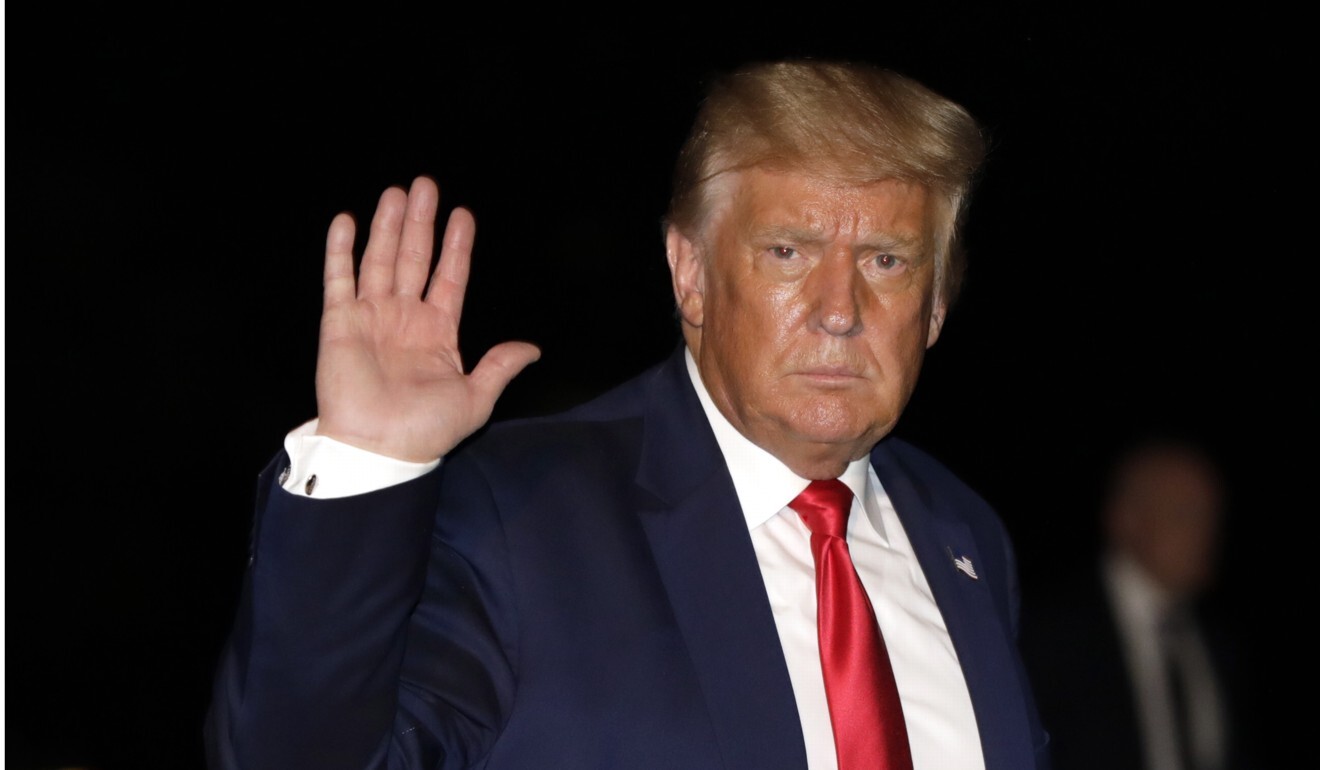
US President Donald Trump is beset with dismal polling numbers. Photo: EPA
As the US presidential election draws ever closer and Trump is beset with dismal polling numbers, the next two months are set to be even more unpredictable, with analysts wondering what other extraordinary measures Washington might roll out to rattle Beijing.
Perhaps Chinese officials can take comfort in former vice-president Joe Biden’s stay-at-home strategy. Since March when the US lockdown began, Biden has been running his presidential election campaign largely from his Delaware home’s basement – but he is still way ahead of Trump in almost all of the polls. Indeed, many of the Democrat’s strategists have wondered if Biden should stay in his basement for the duration of the presidential campaign.
International reaction to the Trump administration’s forced sale of TikTok’s American business to a US company has been predominantly negative, with many media commentators likening the move to blatant extortion or robbery.
Analysts have also warned that it will set a very dangerous precedent, surely damaging adherence to the rules and values that Washington has long trumpeted and serving to dampen overseas investment in the US.
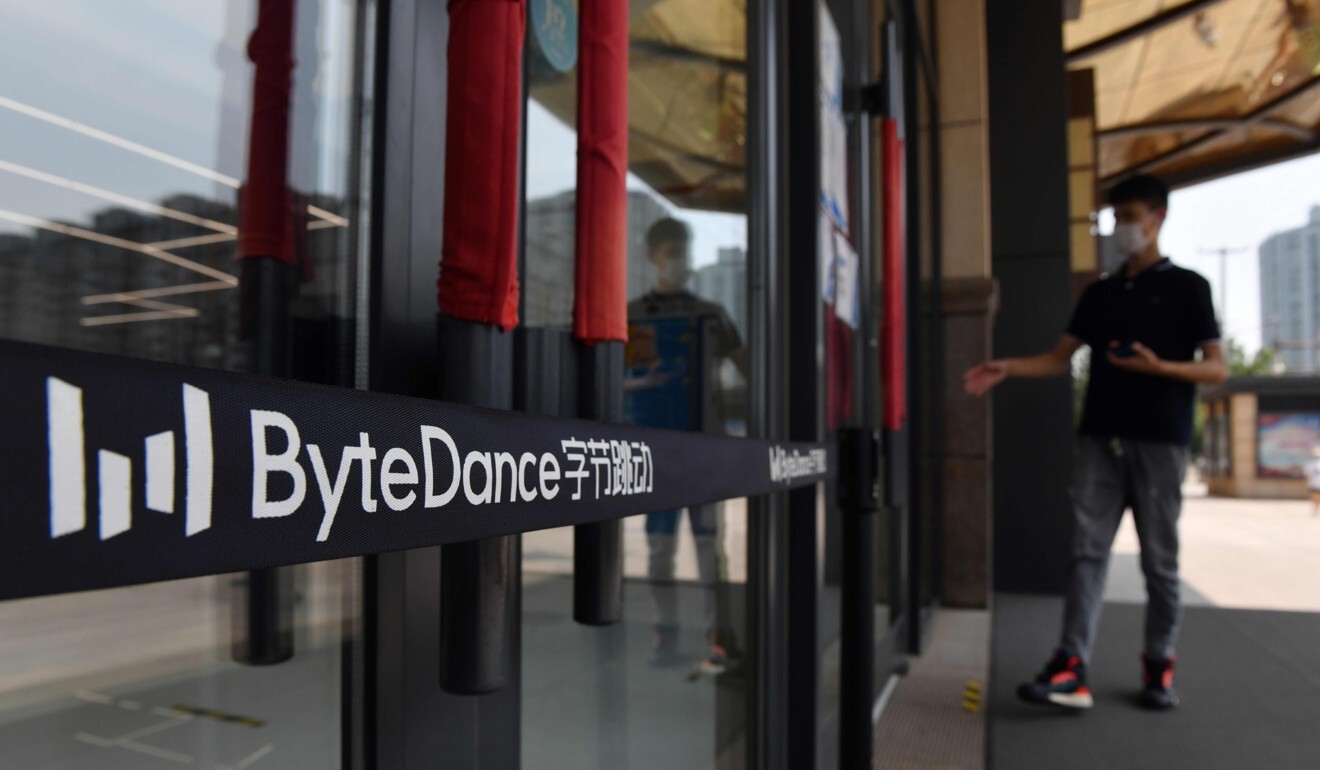
Washington argues that because TikTok’s parent company Bytedance is subject to Chinese law, it could be compelled to hand over user data. Photo: AFP
Furthermore, it helps strengthen the narrative that there are a group of policy hawks in the Trump administration that will truly go to any lengths to destabilise and isolate China in order to achieve their long-term goal of suppressing its rise.
This, conversely, will only stoke Chinese nationalism and rally popular support around President
and the
’s leadership at a time when Pompeo claims the US wants to empower the Chinese people to induce changes in the party’s behaviour from within.
In the case of TikTok, Washington’s reasons to go after the popular app known for its lighthearted videos of teenagers dancing or lip-synching are arbitrary, to say the least.
Its main argument is that because TikTok’s parent company Bytedance is subject to Chinese law, the app could be compelled by the Chinese government to hand over user data.
But the reality is that TikTok is not available in China and its user data is stored in the US and
.
Kai-fu Lee, Google’s former China head and now a fund manager, struck a chord among Chinese business leaders and the general public when he said that Washington neither gave any indication what TikTok needed to do to continue its US operations nor provided any evidence to back up its accusations against the company.
In comparing the US’ handling of TikTok with the Chinese government’s restrictions on American social media companies such as
and Google, which are now blocked in China, he shed an interesting insight: the Chinese government laid out detailed rules, including requirements to store data in China and censor content, which Google chose not to follow – indicating that TikTok was never given such a choice.
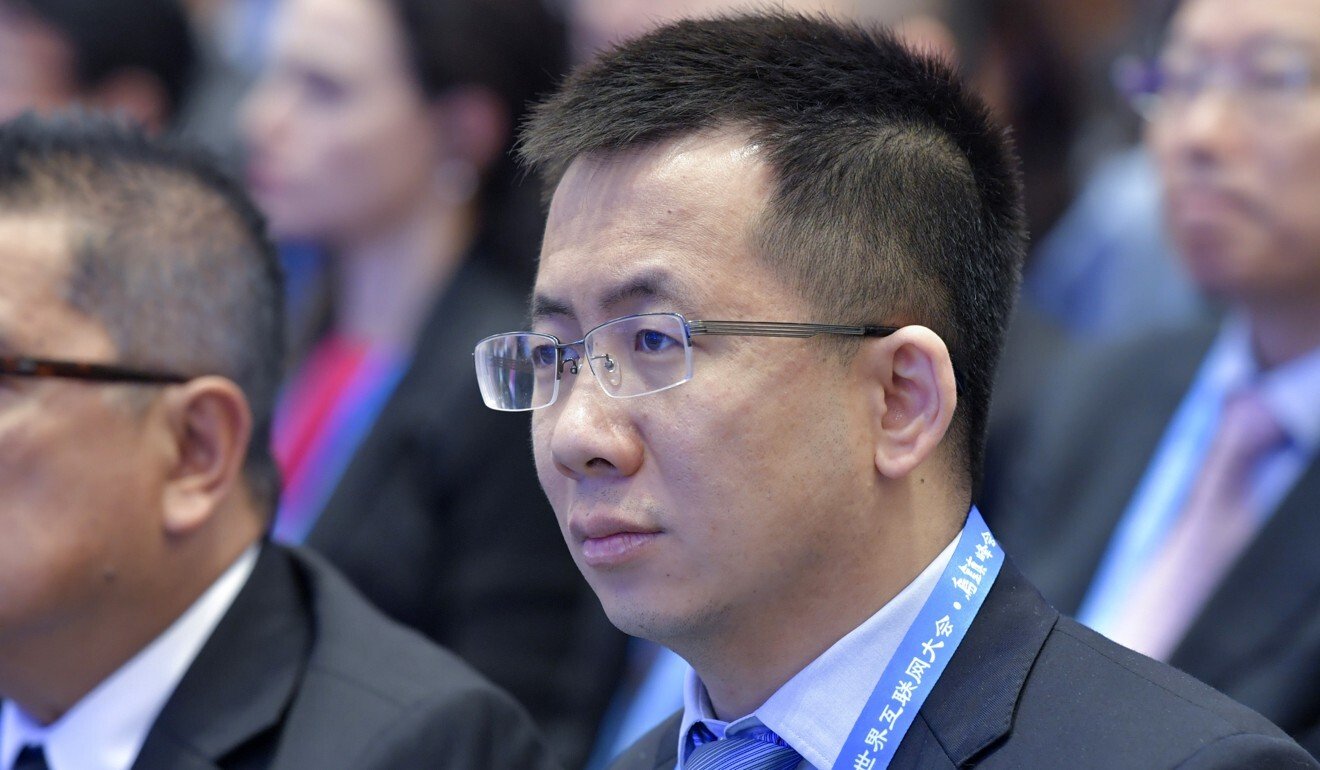
Zhang Yiming, ByteDance’s founder, pictured at the 5th World Internet Conference in Wuzhen in 2018. Photo: Chinatopix via AP
Zhang Yiming, the founder of Bytedance, seemed to suggest as much in a letter to employees, hinting that he had no choice but to comply with the Trump administration’s demand to sell the app, while acknowledging that he and his company have received blistering attacks onChinese social media for caving in to US pressure.
Despite the setback, Zhang put on a brave face by insisting that Bytedance would continue to pursue its dream of becoming a trustworthy global company.
But as the US will seemingly do anything to win the tech war against China, a long, rough road lies ahead for Bytedance and many other Chinese tech companies like it which had hoped to achieve greatness through innovation alone. ■
Wang Xiangwei is the former editor-in-chief of the South China Morning Post. He is now based in Beijing as editorial adviser to the paper
Comments